28 April 2026
Urban7 recognised in G7 outcomes, reinforcing the role of cities in global decision-making
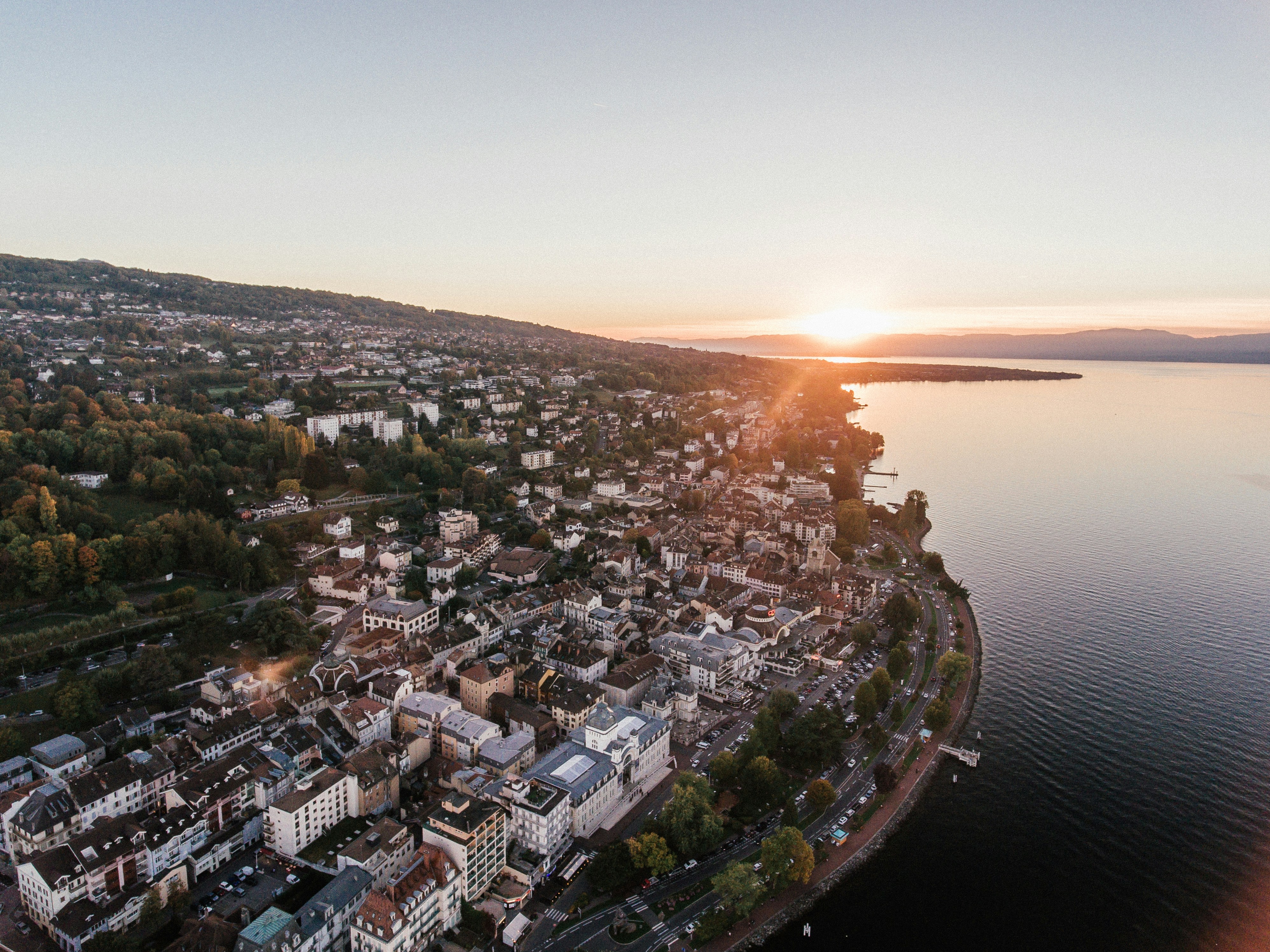
Photo by Humphrey M on Unsplash
For the first time in G7 history, cities are not only present in the process, they are explicitly recognised in its outcomes.
The conclusions of the2026 G7 Environment Ministers’ Meeting mark a significant step forward for multilevel governance, as Urban7 (U7) stands out as the only official G7 Engagement Group explicitly referenced in the ministerial outcomes. This reference is limited to the Environment Ministers’ process within the G7 Environment track, and reflects the increasing recognition of cities and regions in environmental and climate-related policymaking. This signals a growing acknowledgement by national governments that global challenges cannot be addressed without the active involvement of cities and local authorities.
In 2026, Urban7 has been formally established as an official G7 Engagement Group, bringing together the national associations of cities from G7 countries, with the support of ICLEI – Local Governments for Sustainability, and the Global Parliament of Mayors. Its explicit mention in the G7 Environment Ministers’ outcomes, however, sets a new precedent in recognising the operational and political role of cities in delivering global agendas. In particular, Urban7 is referenced in relation to the G7 initiative on Resilient, Efficient and Resource-wise Production (RER4P), with cities and local authorities recognised as key actors supporting the transition towards more sustainable and circular production systems.
This milestone reflects a broader shift in international governance. Climate action, environmental protection, and resilience are implemented locally, in cities and regions where policies translate into tangible impact. From accelerating the ecological transition to strengthening social cohesion and democratic resilience, local governments are at the forefront of addressing the interconnected challenges shaping our societies.
The U7 International Mayors’ Summit, taking place on 3–4 June 2026 in Nancy, France, will build on this momentum. Convening mayors and local leaders from across G7 countries and beyond, the Summit will serve as a key moment to consolidate a shared political voice and translate it into actionable recommendations. At its conclusion, city leaders will adopt the Nancy Declaration, setting out common priorities and concrete proposals to be transmitted to the French G7 Presidency. This contribution will feed directly into the G7 Leaders’ Summit in Évian (15–17 June 2026), ensuring that the perspectives of cities are embedded in global decision-making processes.
The recognition of Urban7 in the G7 Environment Ministers’ outcomes sends a clear message: cities are not only implementers of policy, but essential partners in shaping it. As global challenges intensify, strengthening the role of cities within international governance frameworks will be key to delivering effective, inclusive and lasting solutions.

U7 Secretariat 2026: